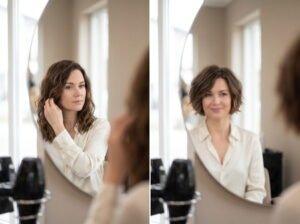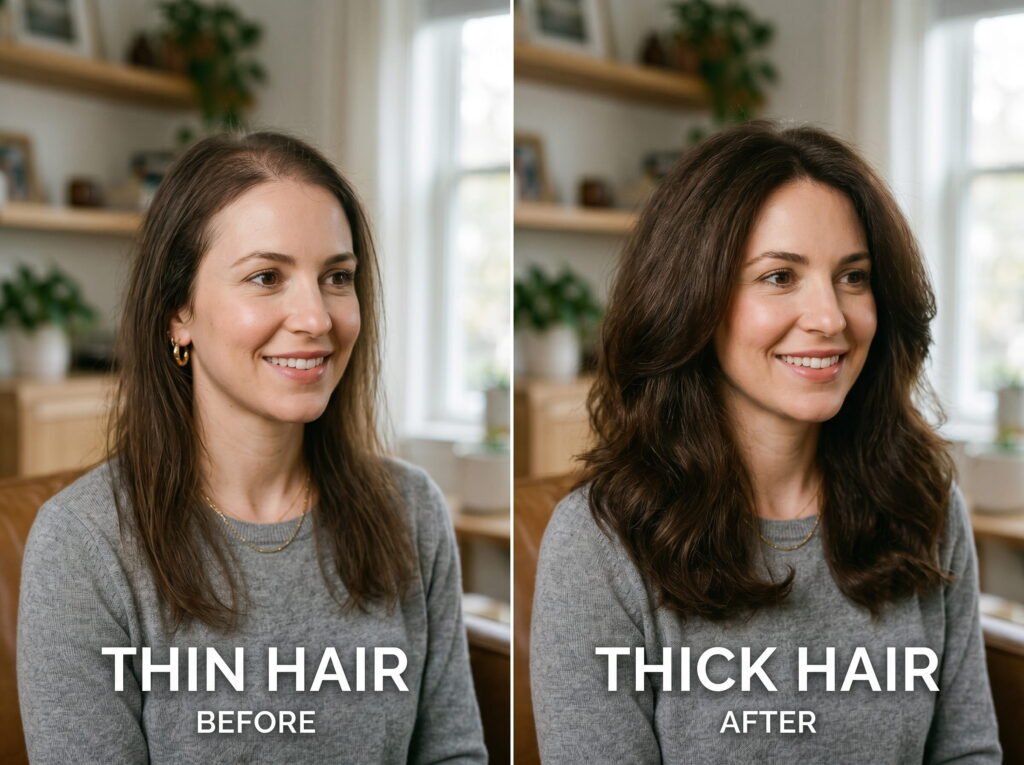
If you have fine hair, you already know the struggle — it falls flat, loses volume by noon, and no matter what you try, it never seems to have that lush, thick look you’re after. The good news? You don’t need to spend a fortune on extensions or salon treatments to transform your strands. With the right techniques, the right products, and a few clever tricks, you can absolutely fake a full, voluminous mane — starting from your very first step at the shampoo sink.
Here’s the complete guide to making fine hair look thicker, fuller, and more beautiful than ever before.
Start With a Clean Slate — Literally
One of the biggest mistakes people with fine hair make is trying to restyle hair that’s a day or two old. Unlike thicker hair types that can handle second-day styling, fine hair simply doesn’t have the structural strength to hold volume when it’s weighed down by product buildup, scalp oils, or environmental debris.
If you’re getting ready for an event or simply want your best hair day, wash it that morning — no shortcuts.
Fine hair gets weighed down fast. Even a small amount of residual product or natural oil is enough to flatten your style by midday. A fresh wash is not optional; it’s the foundation of everything that follows.
Read: Haircuts for round face
Double Down on Your Shampoo Routine
A single shampoo pass may not be enough for fine-haired individuals, especially if you use styling products regularly. A two-shampoo method works wonders:
- First wash — Clarifying Shampoo: Use a clarifying formula on your first lather to thoroughly strip away product buildup, excess oil, and any residue clinging to your strands and scalp. Think of this as resetting your hair to zero.
- Second wash — Volumizing Shampoo: Follow up with a volumizing or thickening shampoo to start building body right from the start. Ingredients in these formulas gently coat the hair shaft, adding slight texture that helps hair hold its shape.
Important: Stay far away from moisturizing, hydrating, or “deep repair” shampoos if volume is your goal. These products — though wonderful for thick or dry hair — are too heavy for fine strands and will leave your hair limp before you even pick up a blow dryer.
Choose the Right Styling Products (And Layer Them Lightly)
Product selection for fine hair is an art form. The wrong choices will suffocate your style; the right ones will build it up beautifully. Here’s the golden rule: always prioritize lightweight formulas, and layer them modestly.
After towel-drying your hair, consider combining two complementary products:
- A thickening spray or lotion that makes fine hair look and feel noticeably more substantial while also protecting against heat damage (look for formulas rated up to 200°C/392°F).
- A volumizing mousse or spray that adds natural grip and texture to the hair — both of which fine hair often desperately lacks.
Apply these products by massaging them into the scalp first, then combing through to the ends. This ensures even distribution and prevents any heavy pooling at the roots.
Pro tip: Less is more with fine hair. Overloading with product — even lightweight product — will backfire. Build up gradually and see how little you can use while still achieving your desired result.
Master the Blow Dry for Maximum Volume
Your blow dryer is your most powerful weapon against flat, lifeless fine hair — but only if you use it correctly.
Overdirect for Root Lift
When blow drying the crown and top sections of your hair, the key is overdirection — pulling the section of hair beyond where it naturally falls before you dry it. This lifts the roots away from the scalp and creates volume that lasts.
If you’re doing this yourself at home, bring sections forward or upward (away from their natural fall direction) and dry them in that lifted position using a round brush.
Lock It In With the Cool Shot
Here’s a step most people skip — and it makes all the difference. Once a section is fully dry and still held in that lifted position, blast it with your dryer’s cool shot button for several seconds.
Hot hair is malleable — it moves and shifts as it cools, which means all that volume you just created will drop the moment you let go of the brush if you skip this step. Cold air sets and locks the shape in place. Think of it as pressing “save” on your volume.
Waves Over Tight Curls
For shorter or medium-length fine hair — like a blunt bob — the styling technique you choose can make or break your result.
Tight curls may seem like a good idea for adding body, but on shorter fine hair, they tend to shrink the length and look dated rather than voluminous. Instead, opt for loose, elongated waves that give the illusion of thickness without sacrificing length or modernity.
Read: Your hair type
The Two-Part Waving Technique
Bottom sections (under the occipital bone): Use a flat iron and move it up and down in a rhythmic zigzag motion as you glide through the hair. This creates a gorgeous crimped, textured wave underneath that adds incredible density.
Top and mid sections: Use a one-inch curling iron and create a long, flowing curl using this method:
- Clamp at the root
- Slide halfway down the section
- Wrap the iron around
- Unravel slightly, slide three-quarters of the way down
- Complete the wrap
- Then slide through to the ends to straighten the tips
The result is a wave that has movement and body at the root but doesn’t curl tightly at the end — creating that effortlessly full, beachy texture that works beautifully on fine hair.
Use Hairspray Before You Curl (Not Just After)
This is a technique that separates amateur fine-hair styling from professional results. Before curling each individual section, lightly mist it with a light-hold hairspray.
Pre-spraying gives the hair something to grip as it wraps around the iron, helping the curl form more cleanly and hold longer. Choose a brushable formula that won’t leave the hair stiff or crunchy — you want hold, not a helmet.
Again, use a light hand. A fine mist is all you need. The goal is layering support, not drenching the section in product.
Backcomb for Extra Crown Volume
If you want extra fullness at the crown, strategic backcombing can give you that boost. Use a dedicated backcombing or teasing brush and work in thin, horizontal layers — starting near the nape and working your way upward.
Once you’ve built up the desired volume underneath, gently smooth the outer surface so the texture is hidden beneath a sleek top layer. No one will know it’s there — they’ll just see beautifully full hair.
Eyeshadow for Scalp Coverage
This is one of those genius fine-hair tricks that professionals use on clients regularly — especially for special occasions like weddings — but very few people outside the salon world know about.
If you can see your scalp showing through your hair, camouflage it with eyeshadow.
Here’s how:
- Choose an eyeshadow shade that matches your root color exactly. Don’t match to your highlights or balayage — match to your roots.
- Use a densely packed makeup brush to pick up the product.
- Gently press and blend it directly onto the visible scalp areas.
The result is almost magical. By eliminating the contrast between your hair color and the visible scalp, your brain stops reading those areas as “thin spots” and starts perceiving the hair as thick and full. It works on the same principle as filling in eyebrows — it doesn’t look powdery or fake, it just looks like more hair.
It doesn’t add follicles, of course, but it creates the powerful illusion that every inch of your scalp is densely covered.